This nature care day fell on Earth Day (22 April 2026)—a global movement dedicated to environmental protection and healing our planet.
Earth Day is about taking tangible action to reverse ecosystem damage and promote a healthy, sustainable future. This focus aligns perfectly with the core mission of Trillion Trees. Participation in a nature care day is much more than just volunteering—it’s a chance to reconnect with nature, contribute to meaningful ecological restoration, and be part of this long-term impact.
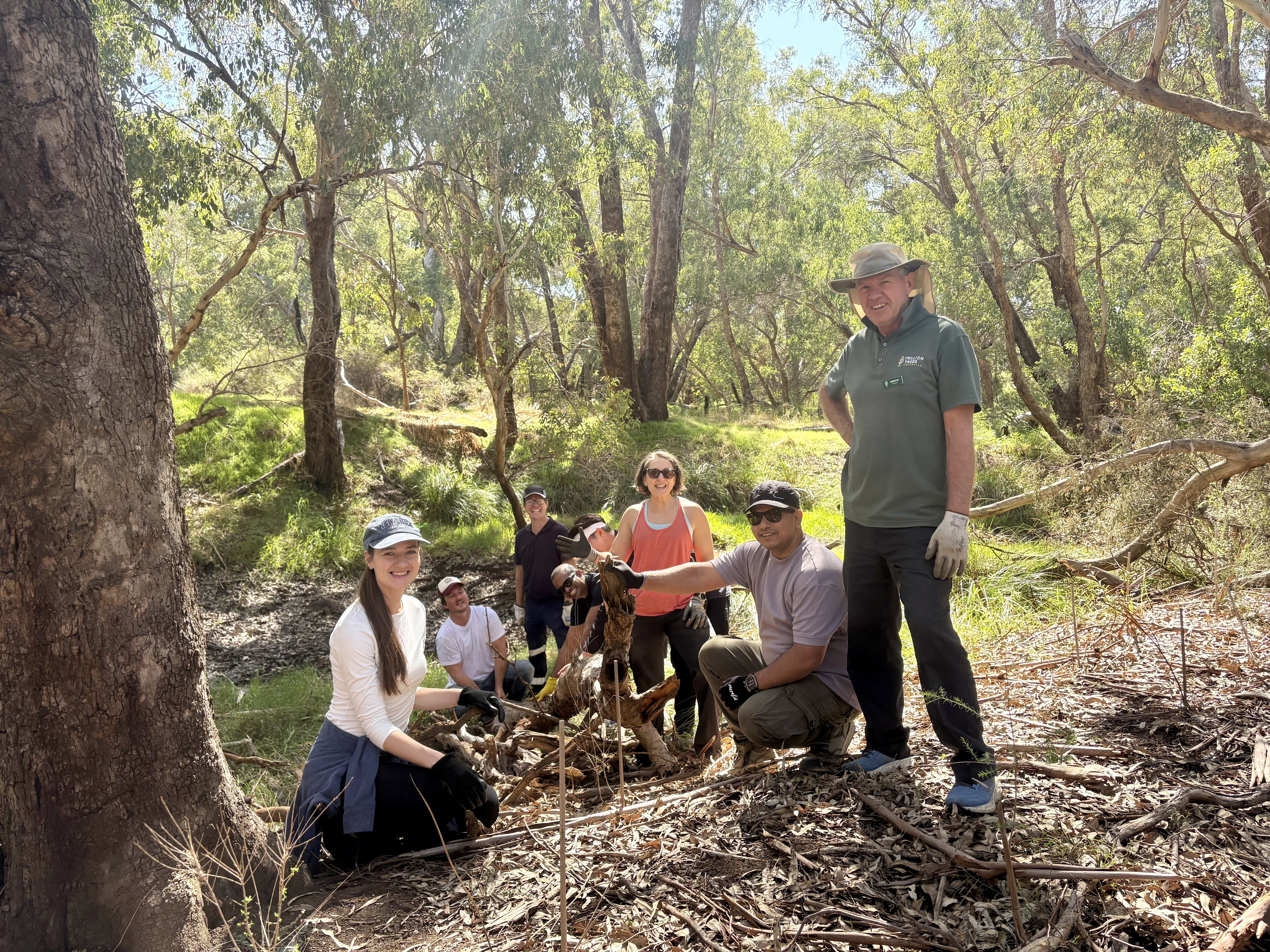
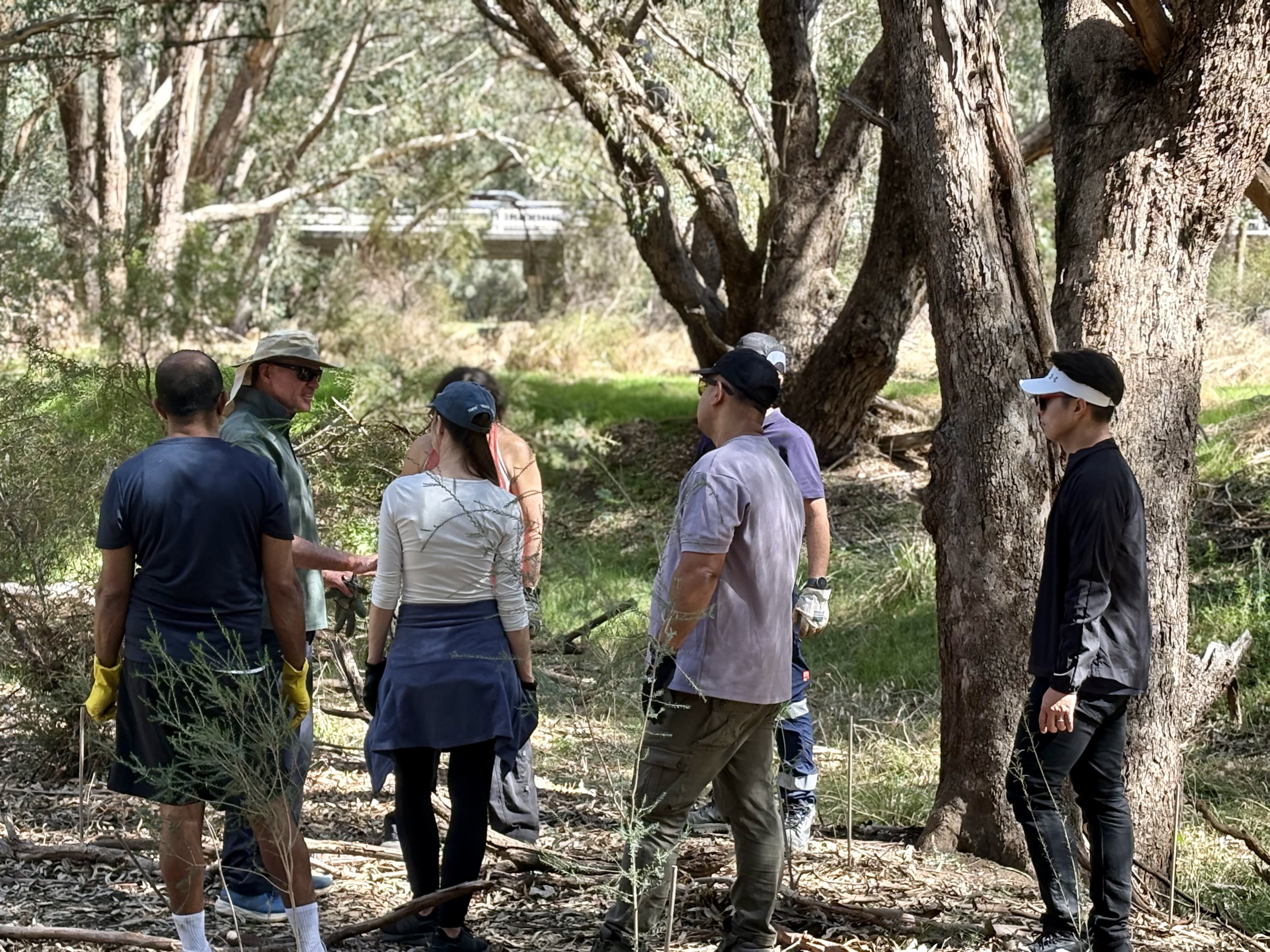
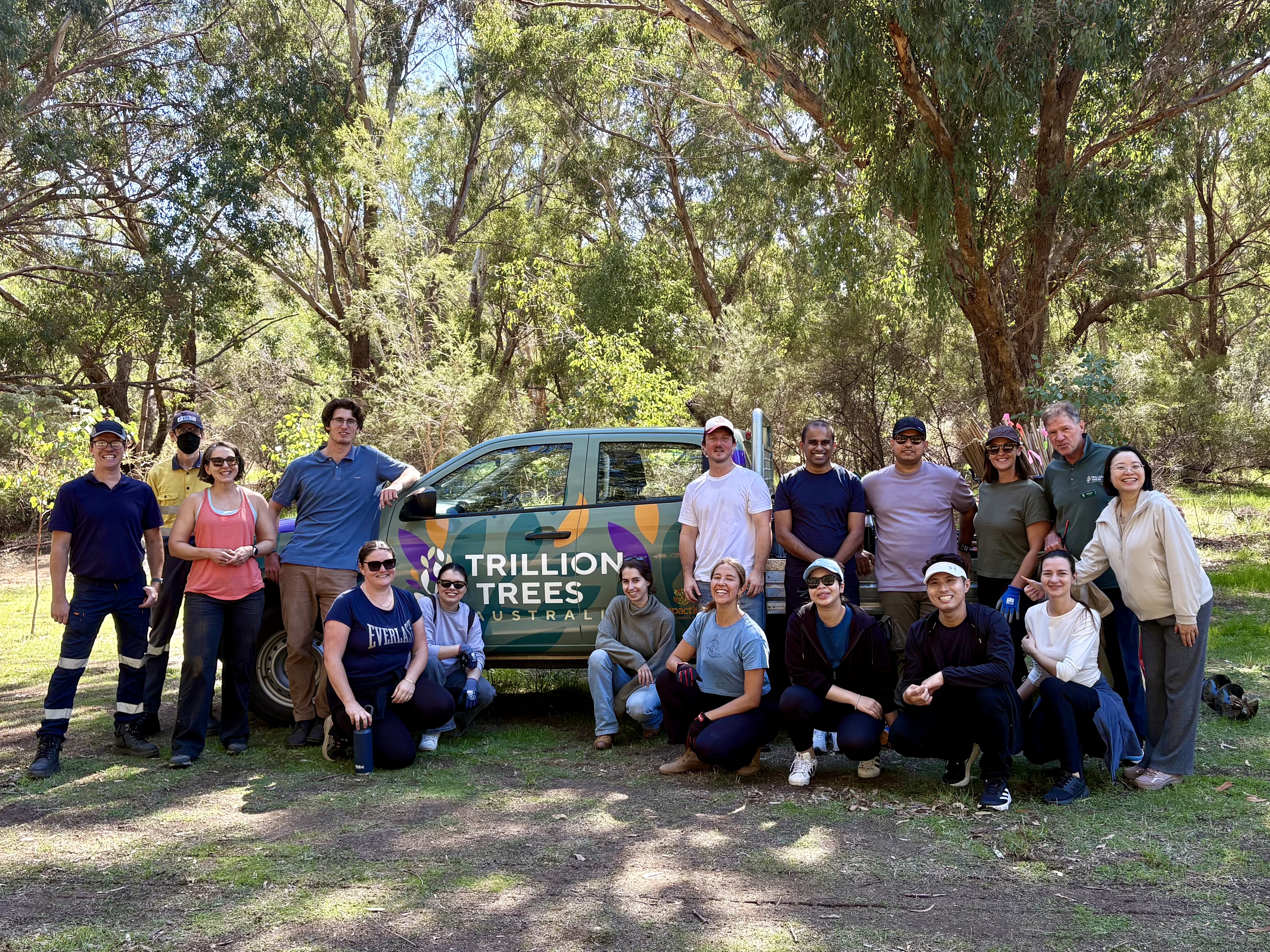
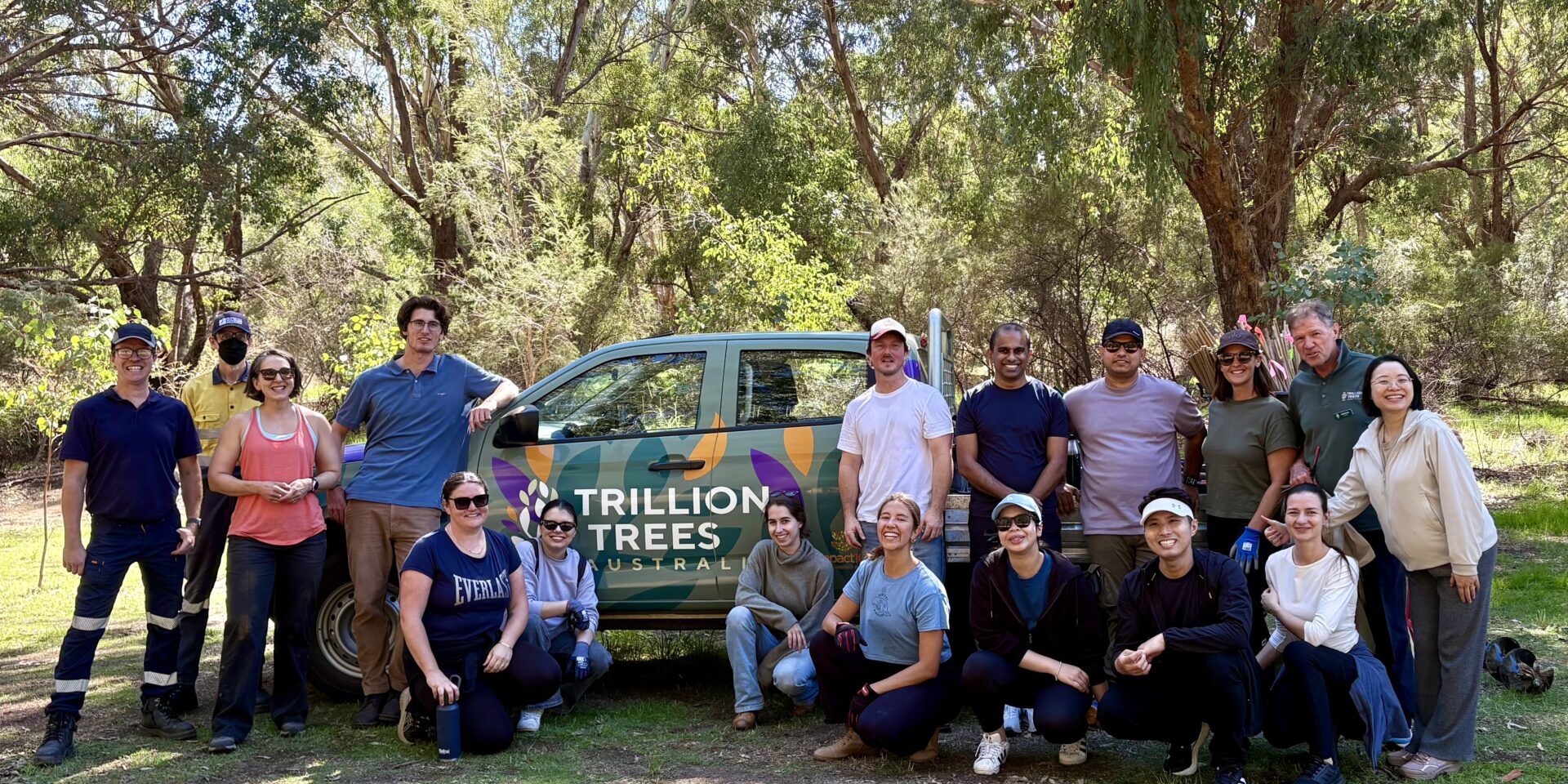
On Earth Day 2026, 20 volunteers joined us to work directly on our vital Mandoon Bilya Restoration Project along the Helena River. Volunteers came from a range of groups and organisations including Marriott Group, Ecolab and Bibbul Ngarma Aboriginal Association.
Every single action here creates a living legacy for the diverse range of native wildlife that rely on this ecosystem like our Western Long Neck Turtles, endangered black cockatoos and Rakali (native water rat). We are engaging with the local community to raise awareness about the ecological value and benefits of restoring this important biodiverse area.
Helena River (Mandoon Bilya Restoration Project) #
The Helena River (Mandoon Bilya) is an ephemeral river surrounded by a crucial riparian ecosystem. This area is one of our longest standing but most complex restoration projects, located out the back of the Trillion Trees grounds and community nursery in Hazelmere. It is a vital wildlife refuge that we are actively working to restore, rebuilding local plant communities to provide habitat to the many remnant fauna species in the area.
- Home to: Western Long Neck Turtles, Rakali (native water rat), Brush Tailed Possums, Quenda, and a large variety of bird species.
- Key Species: We focus on bolstering crucial plants like Carex appressa (Tall sedge) and Juncus pallidus (Pale Rush), essential for habitat, riverbank stabilisation, and improving water quality.
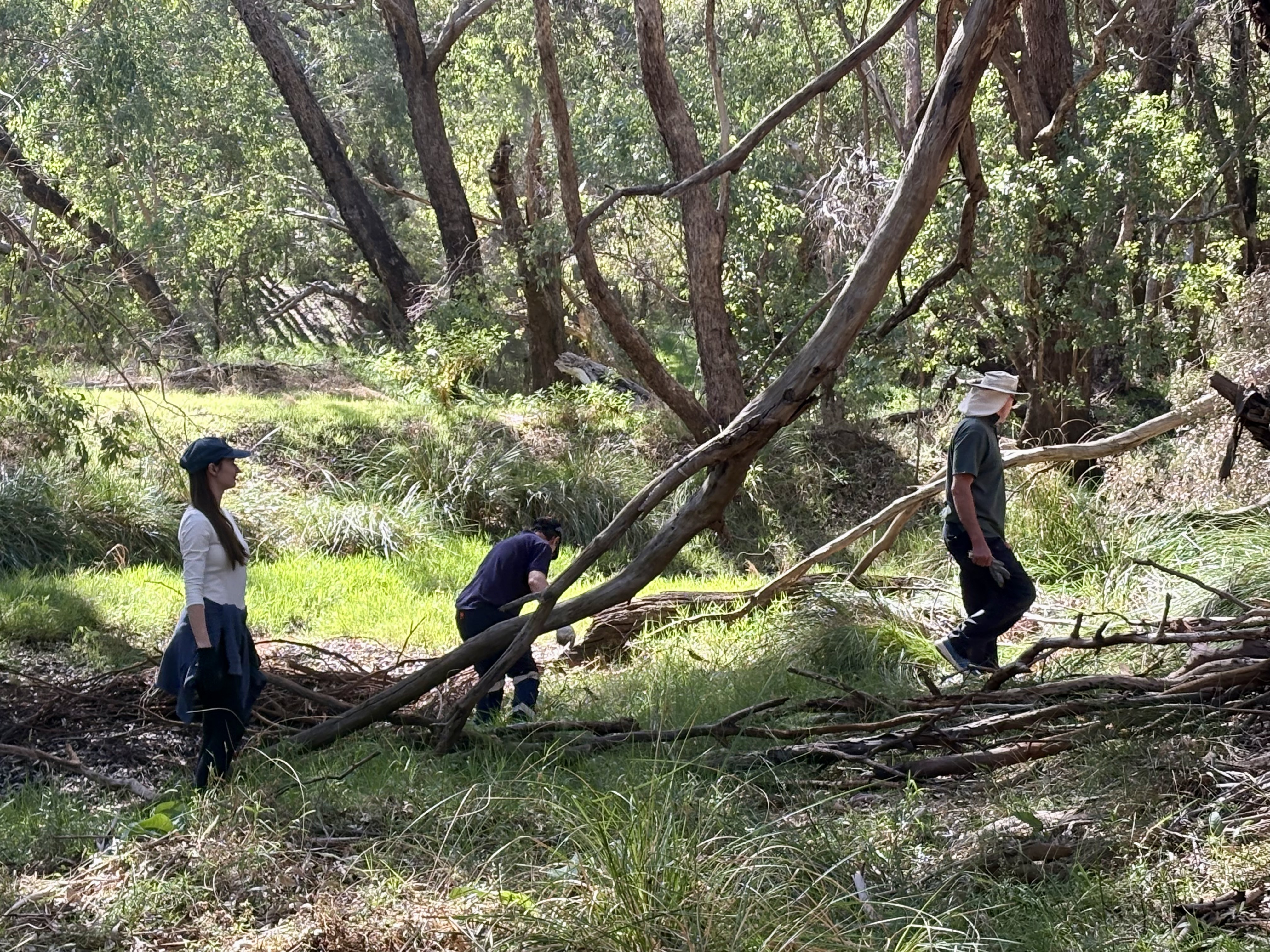
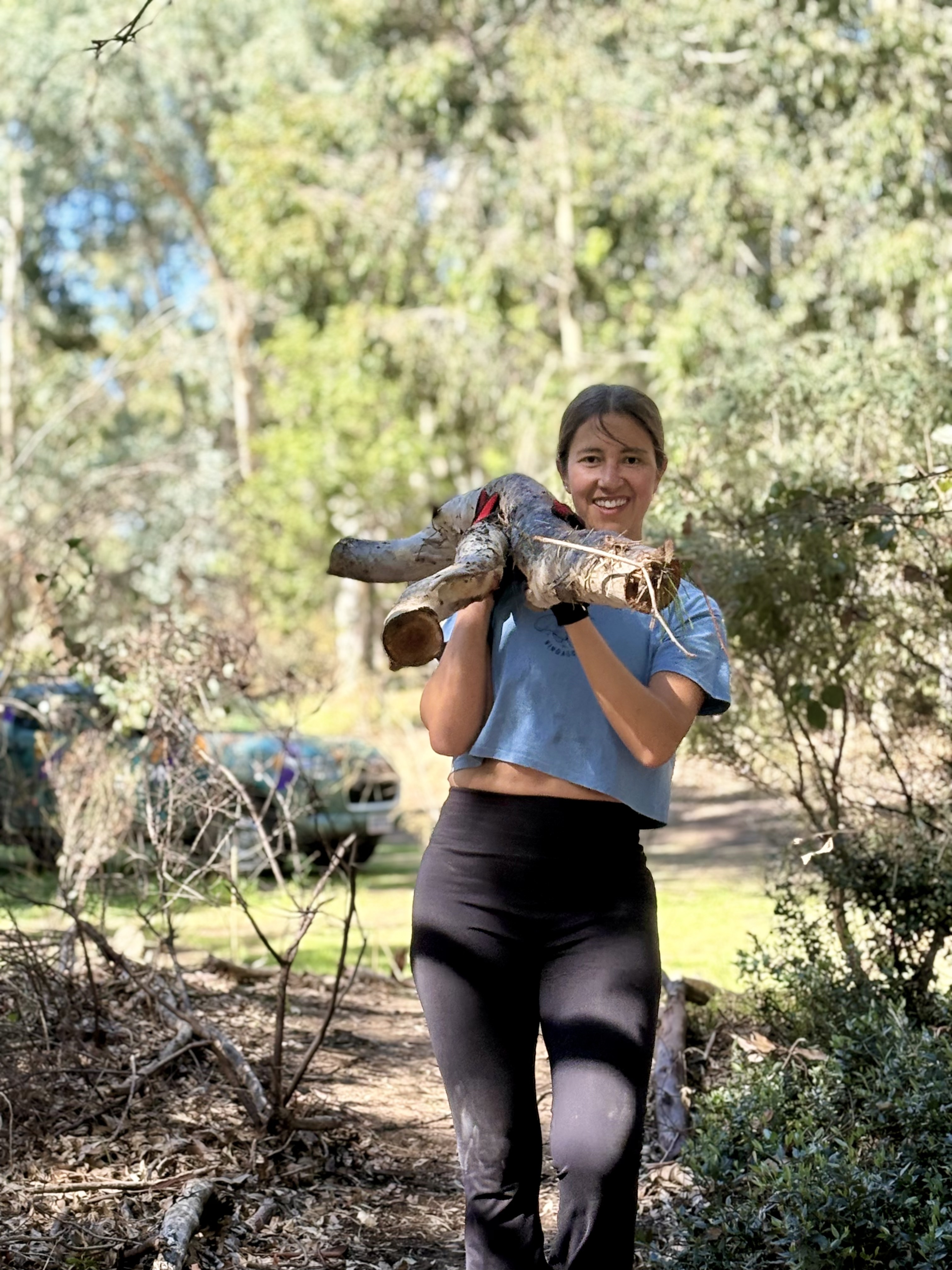
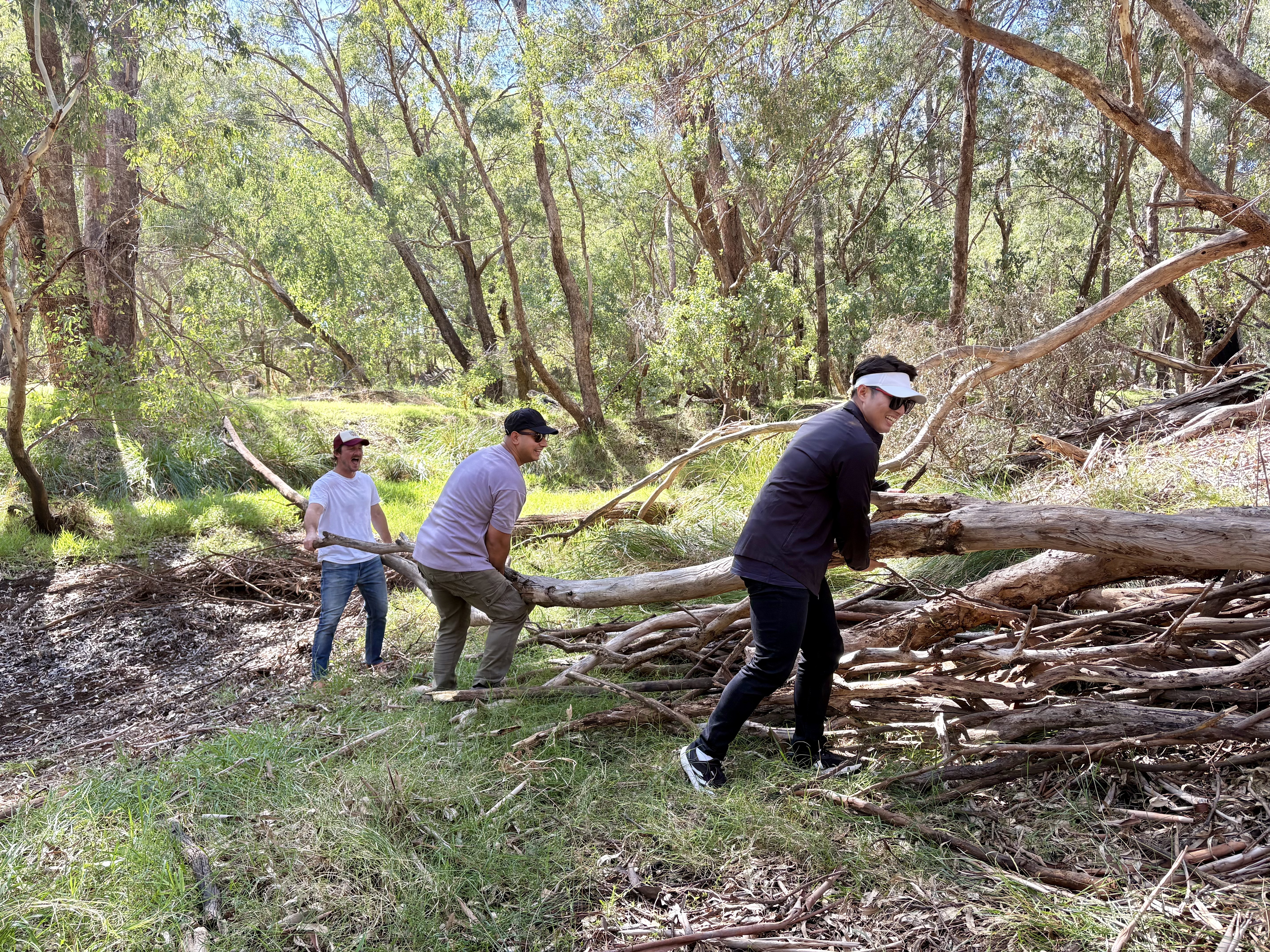
Every task directly supports the survival and success of native plantings and helps create healthier habitats for wildlife. On this day, the enthusiastic group of volunteers engaged in the construction of swales using fallen timber. Swales are being constructed along contour lines in the riverbank to slow the flow of water through the river channel, boosting the rehydration of the surrounding landscape and improving restoration outcomes. They form part of an erosion control strategy aimed at protecting the existing mature trees along the riverbank, whose roots are being undermined by strong seasonal waterflows.
The volunteer group also planted 300 native seedlings along the riverbank and around our quenda hotel. The quenda hotel is a large construction made from fallen timber designed to provide protection and habitat for quendas to nest and breed. Quendas prefer to shelter in dense understory and among fallen branches, so we planted a range of climbing plants and ground covering shrubs around the quenda hotel to create the ideal conditions for these precious 'ecosystem engineers' to thrive.
The session was led by our restoration manager, supported by experienced Trillion Trees volunteers.