Weed management is a crucial part of the ongoing maintenance of Trillion Trees' restoration sites. We conduct site monitoring and management for at least two years at every planting site, which includes various methods of weed control to maximise survival rates and promote healthy ecosystems.
Our weed management approach to sites is incredibly varied and is influenced by a combination of environmental, community and financial factors. The key word is management. Weeds are a contentious topic in natural resource management and there are dividing schools of thought for how they are treated. Some strategies take the total annihilation approach where others may actively promote their growth to use as a tool. The Trillion Trees' approach is somewhere in the middle and leaning to the latter.
“Weeds” is a nondescript title and shifts with a site’s context and the stakeholders concerned. In many cases, weedy grasses and forbes occupy the only understory/ groundcover niche. This is important for increasing soil carbon and pore spaces, reducing soil temperature, increasing water infiltration, slowing runoff and more. These can be described as ecosystem services and benefit the health of the other species in the area, plant, animal, fungi, bacteria alike.
Keeping weeds in a specific site however does not mean that they are inherently permanent. Natural areas do not exist in a static state, particularly in the context of ecological restoration. Conversely, there can be many successional phases, where different species and forms will dominate an area for a time and give rise to the next. Management practices and intervention is necessary in the South West of WA as many species require quite specific environmental conditions.
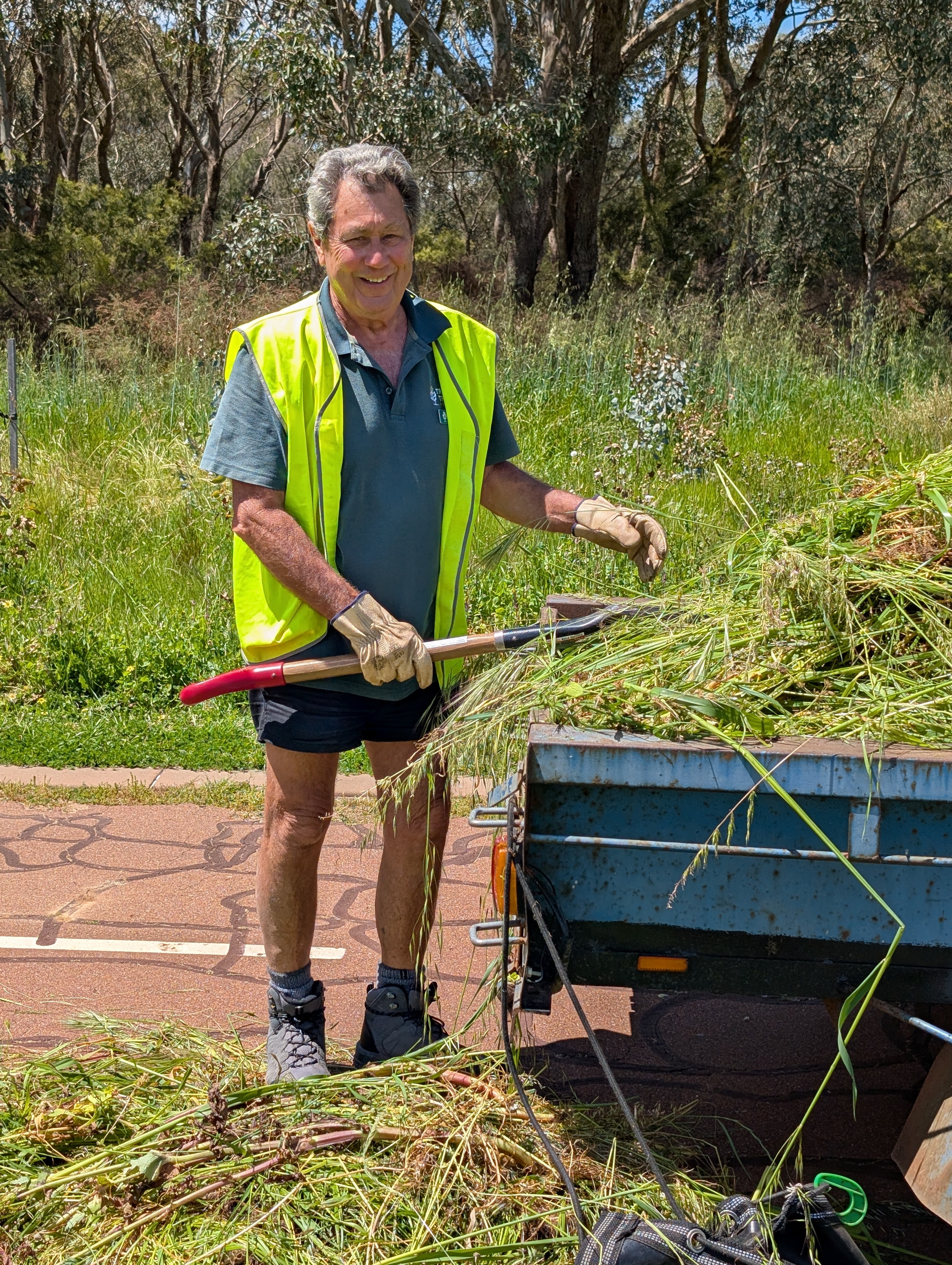
Grass cutting is a simple, albeit labour intensive way to manage a restoration area. Weedy grasses and forbes can break up otherwise compact, hydrophobic soil with their roots and the cuttings act as a mulch to retain soil moisture and carbon and maintain cooler temperatures. They may also add an element of part shade for young seedlings in protection against the sun in consecutive days of hot weather. If left unattended however, they have the potential to smother smaller plants and also present a significant fire risk after drying off. Management here is the balance between benefit and threat and our ability to do so is governed by our monitoring, funding and available workforce.
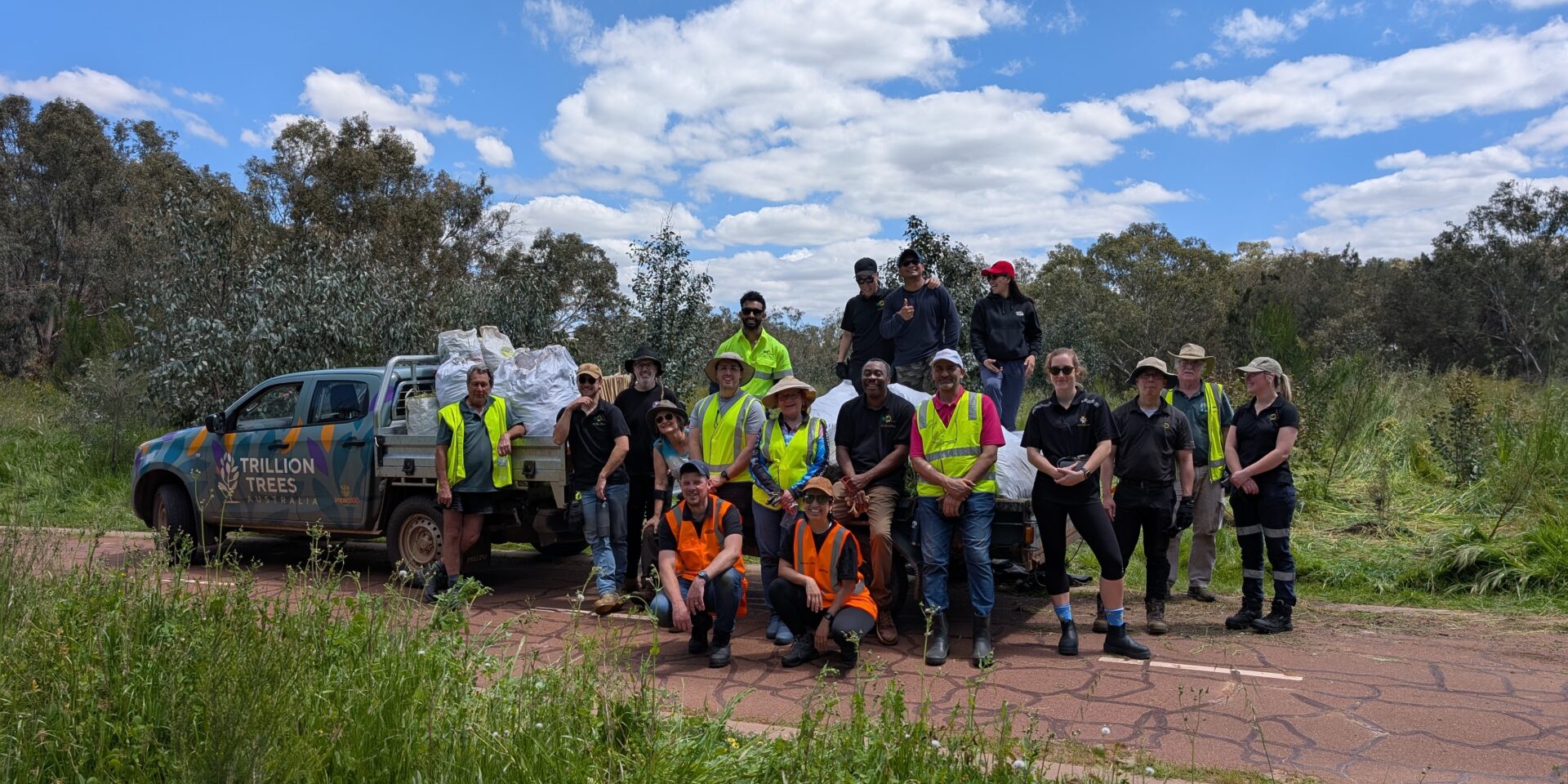
During late Spring and early Summer this year we put out a call to volunteers who might be able to assist with grass cutting for weed control at Guildford Meadows in Caversham.
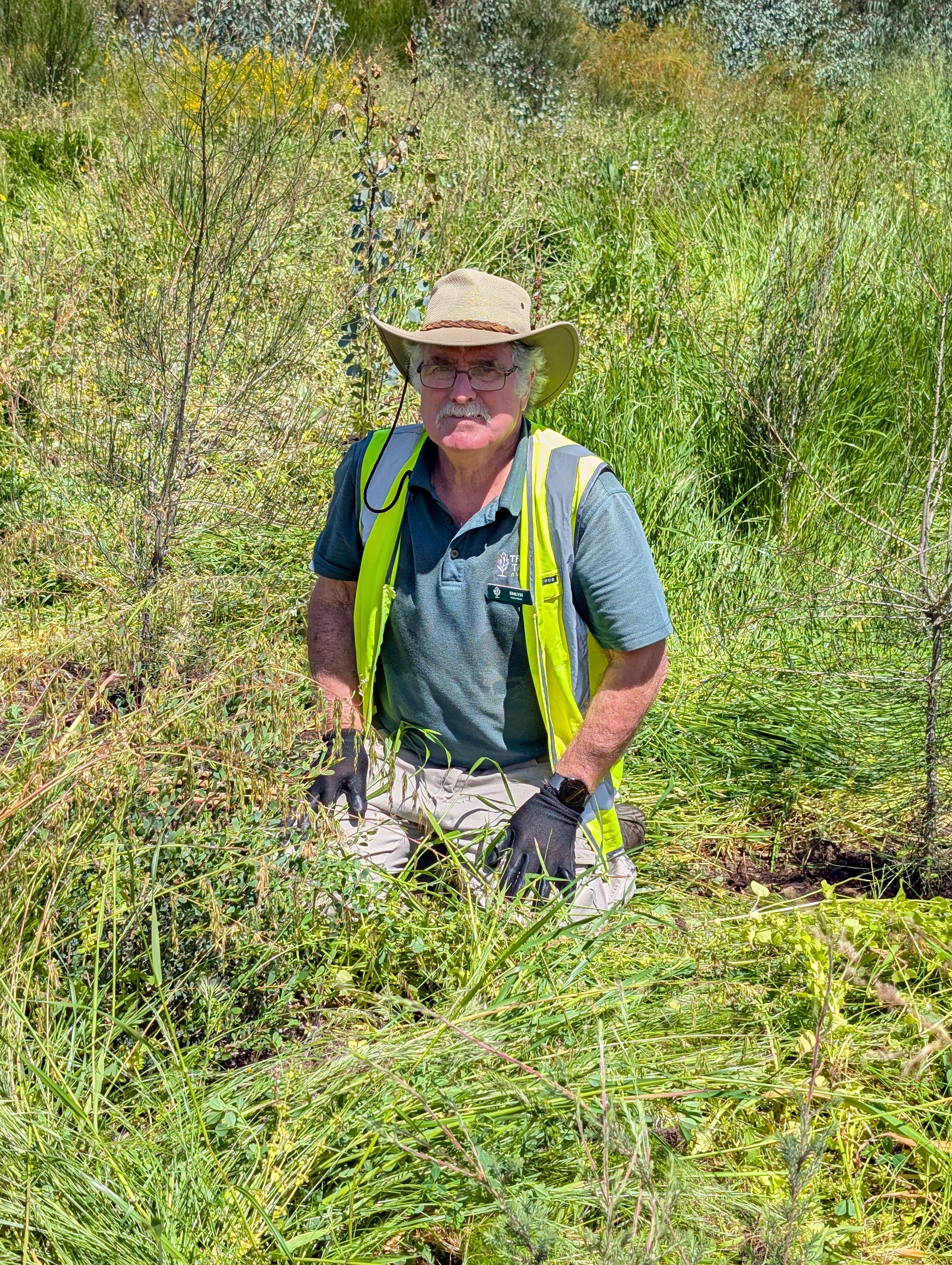
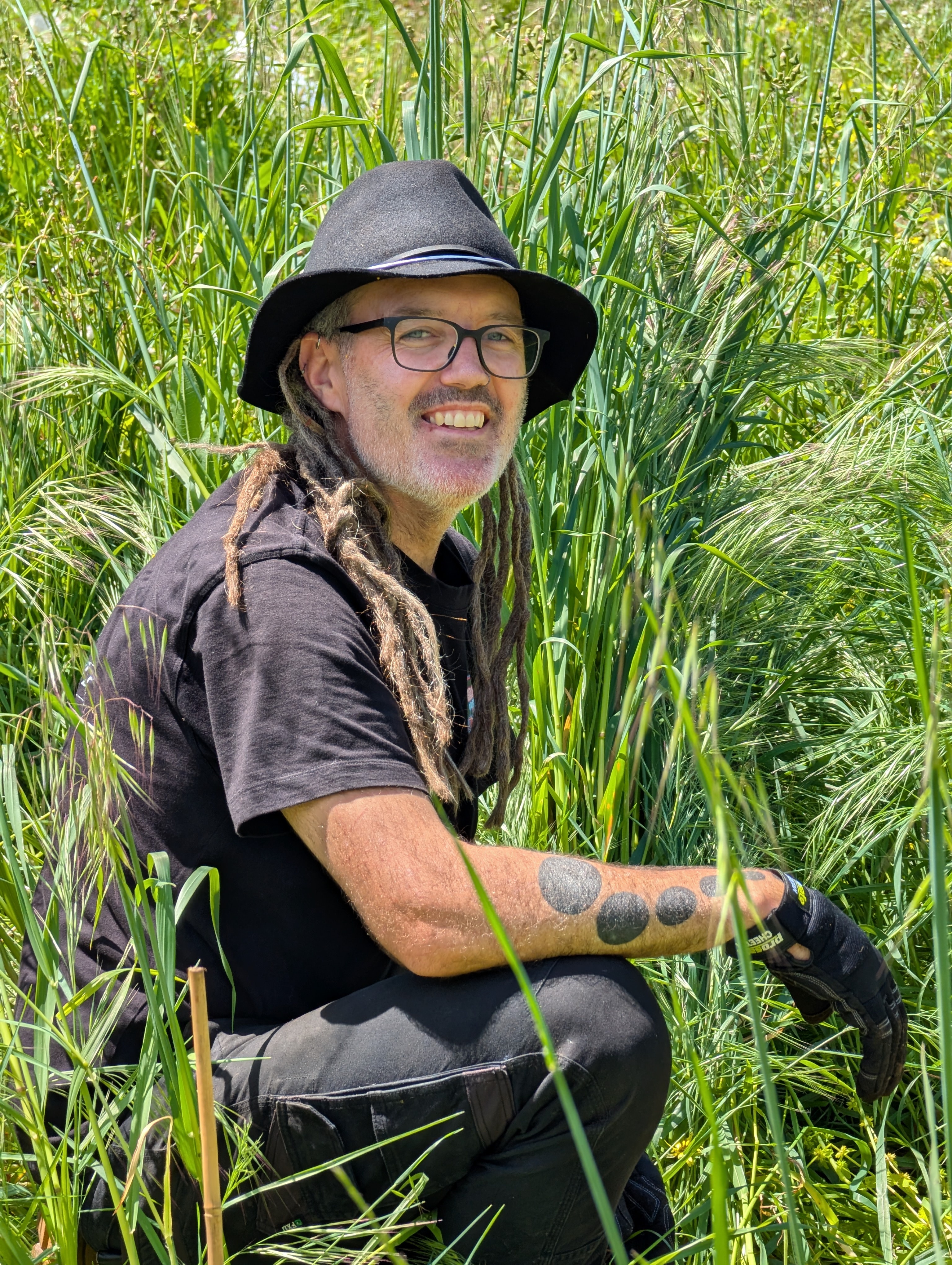
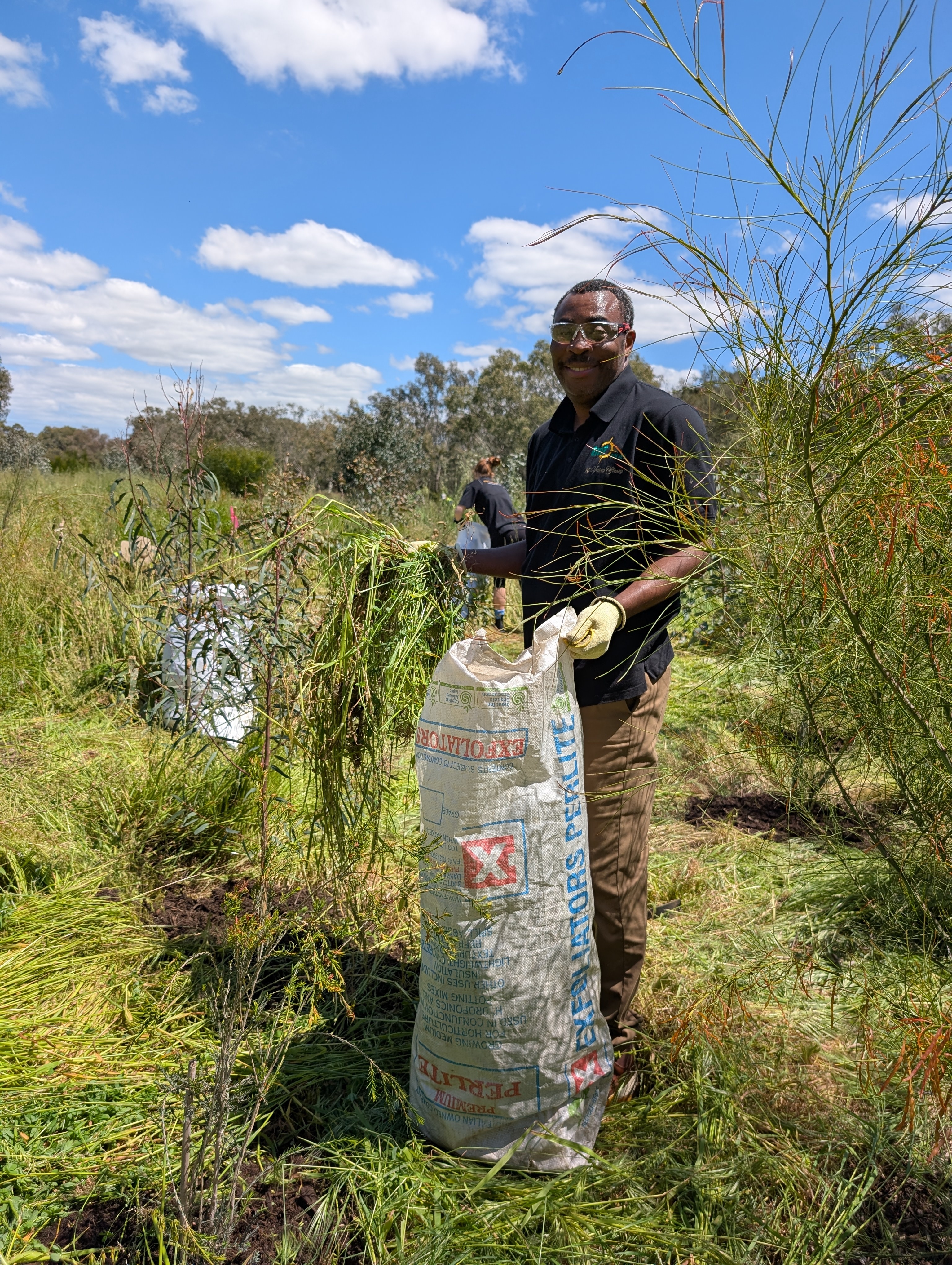
Huge thanks to volunteers Ibis, Emlyn, Ian, Andy, Mat, and Alan for the efforts they put into Guildford Meadows over the last few weeks. These lads responded immediately to the call, with most of them having never driven the Toro ride-on mower before, and did an exemplary job. Since 2016 we’ve planted over 100,000 plants across 40 hectares at Guildford Meadows. Half of this is well established and while still fairly thick with weeds, is getting closer to a self-managing system. The other half; 2023, 2024 and 2025 planting areas, are not self-managing and present a significant fire risk to the area. A dry mix of weeds, ranging from dense mats to head high walls, dominate the 20 odd hectares and in many areas, shroud out the native plants for 3 to 4 months of the year. In consultation with the landowners, Whiteman Park, we agreed to address the urgent weed control actions needed to remove this fire hazard before summer, mowing down the grass between the rows of about 60,000 plants.
If you have never visited this site then now is a great time to go and see the plantings - there is an easy access path that takes you past all of our years of planting there.
Weed management forms part of our nature care program, and a series of volunteering opportunities exist for groups and individuals to participate in these important activities. Click on the link above to register your interest.