The presence of diverse species of wildlife is a key indicator of the health of our natural landscapes. The survival of humans, plants and animals relies on maintaining the delicate balance of healthy ecosystems. Ecosystems are only as healthy as the wildlife that lives within them, and require rich biodiversity to thrive. Many animals and species can act an indicators of environmental health - a decline in wildlife numbers and diversity can be an early indicator of bigger problems with the health of an ecosystem, such as pollution or habitat loss.
Wildlife acts as a crucial barometer for ecosystem health, with specific species
(bioindicators) signaling environmental degradation or stability through population changes, behavior, and health metrics.
Trillion Trees is working with local wildlife experts to monitor wildlife activity along the Helena River (Mandoon Bilya) near our Hazelmere base.
In October last year, members of the Trillion Trees team witnessed a snake necked turtle laying eggs on our grounds. The nest has been protected and wildlife cameras installed to monitor for signs of them hatching, which could be anytime from April-August.
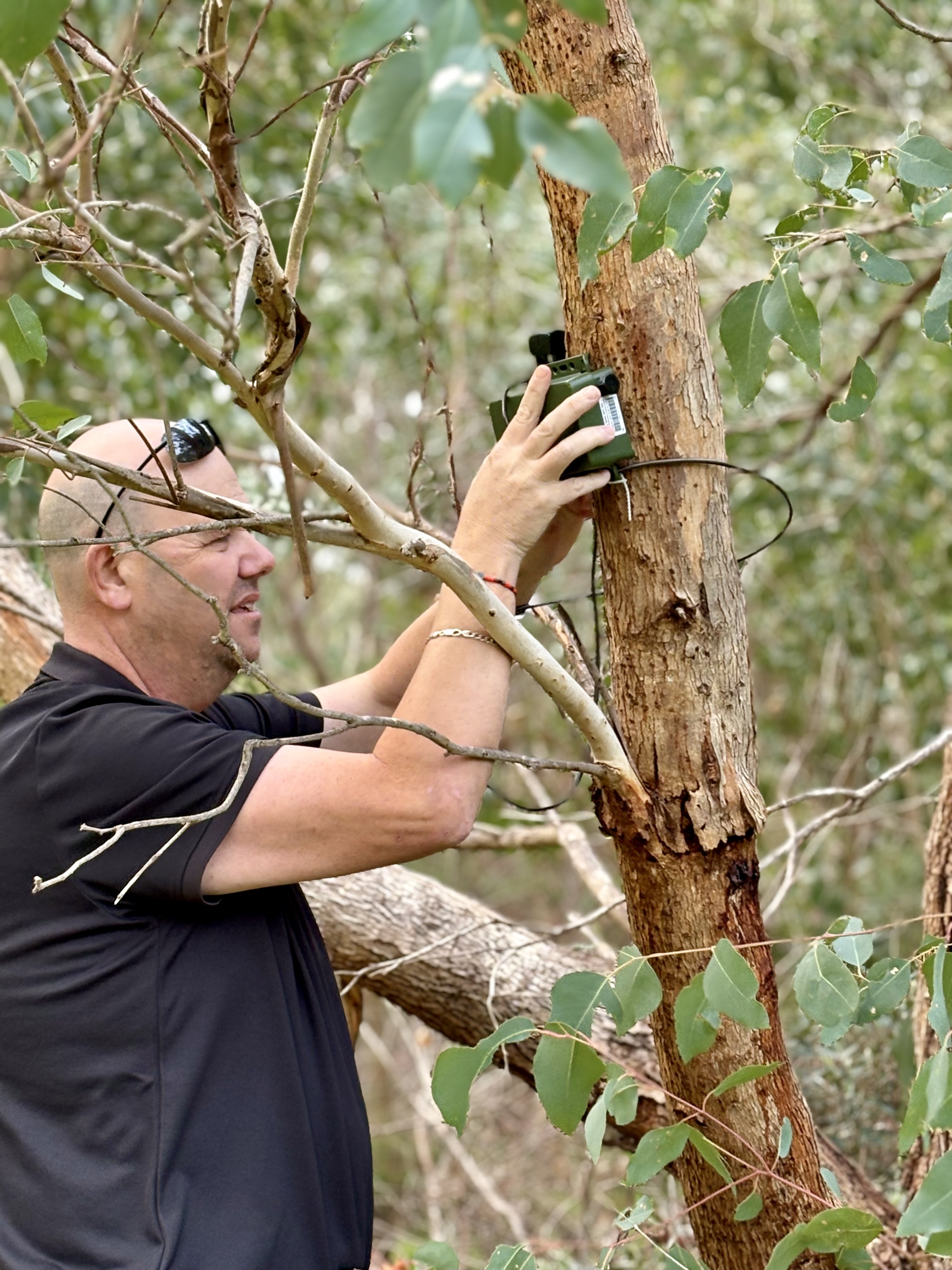
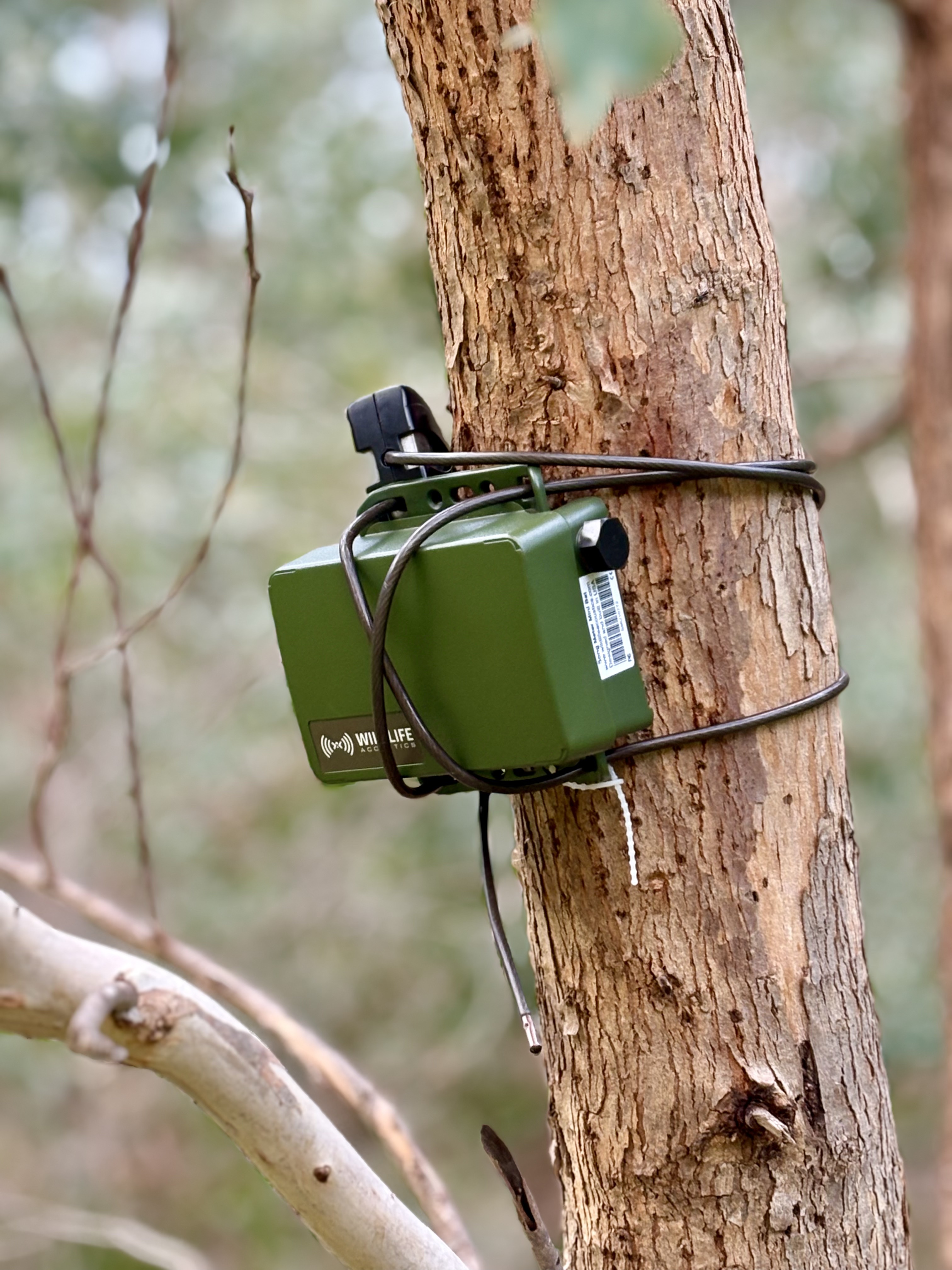
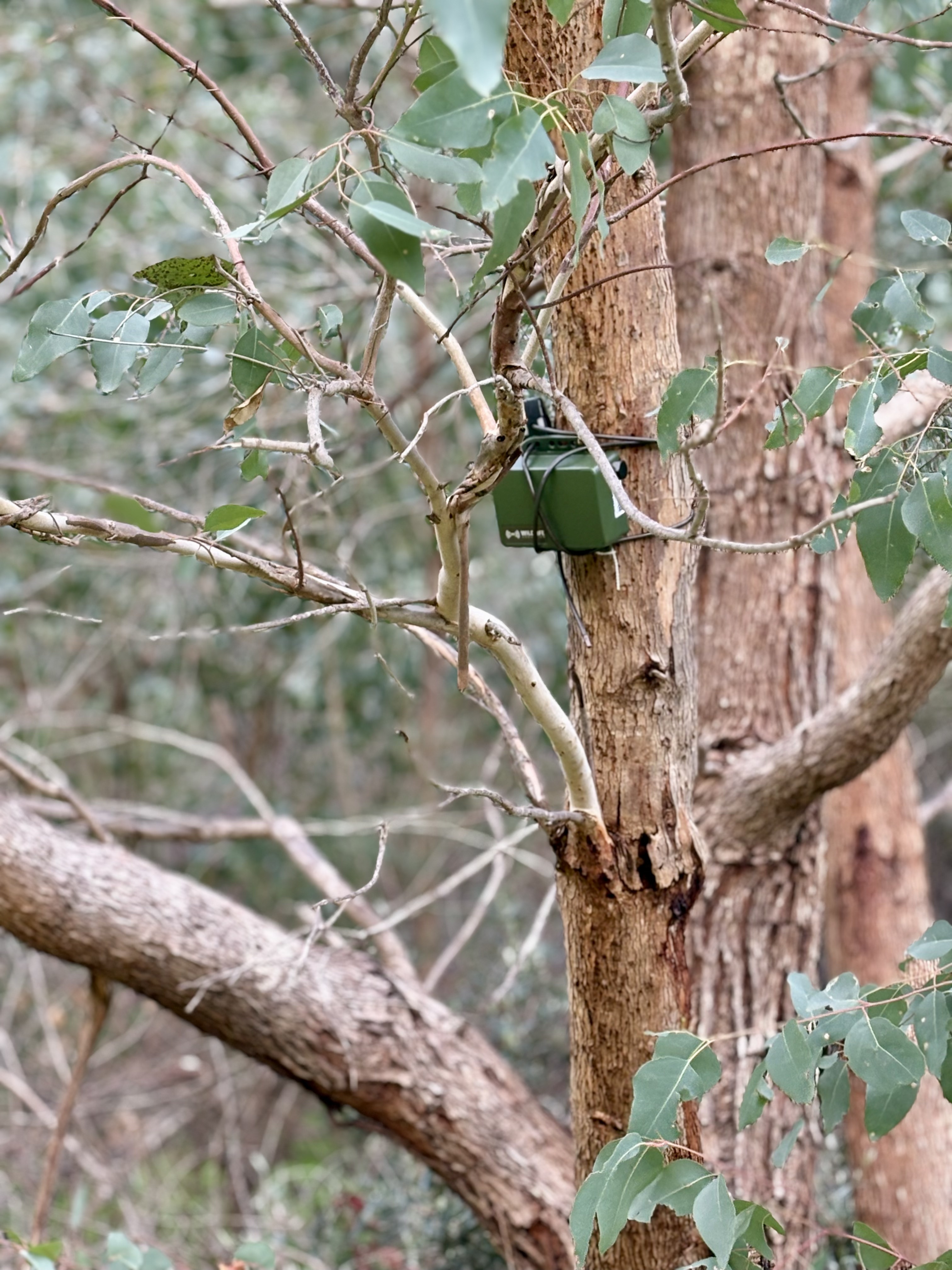
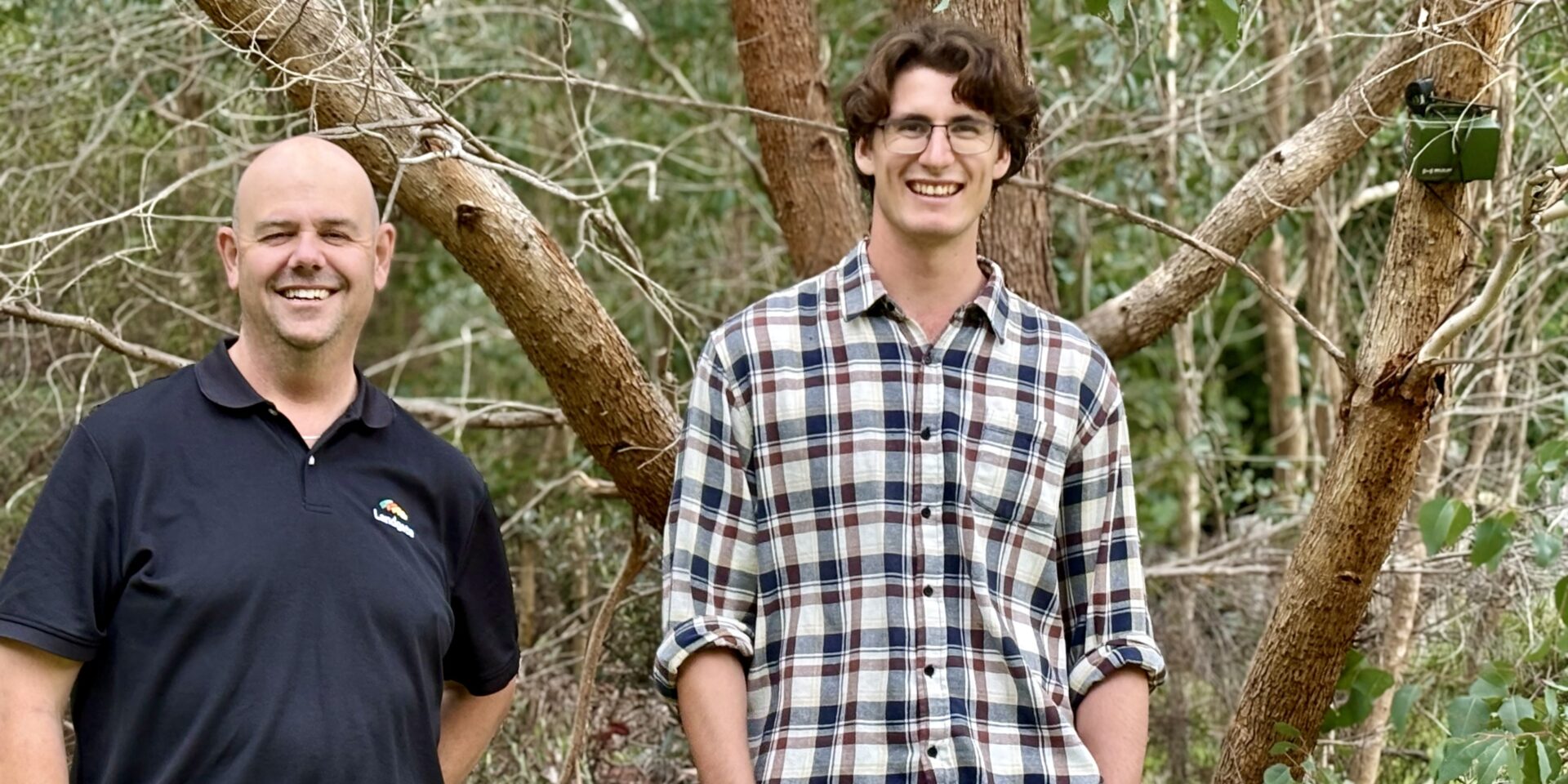
This week, volunteer wildlife enthusiast Ry, who is a member of WA Naturalists Club, installed a wildlife monitor near the Helena River to record bat sounds. He will return to analyse the data in a week or so, and should be able to match the frequency of the ultrasonic echolocation calls to identify which bat species are in the vicinity. We also plan to host an informative talk about his work soon.
We also had a visit from Tim, who is a member of the Helena River Catchment Group. He has installed 2 wildlife cameras along the river corridor to see what wildlife he can capture on film. He will check on them in a week but they will stay in place longer so he can get a good amount of data to review. We already have a healthy population of quenda in the area. We are trying not to get too excited about the possibilities inc phascogales, chuditch and quolls - watch this space to see what occurs...
Gathering more data about the wildlife in and around our restoration projects will help to inform future planning by shaping species selections and restoration strategy.